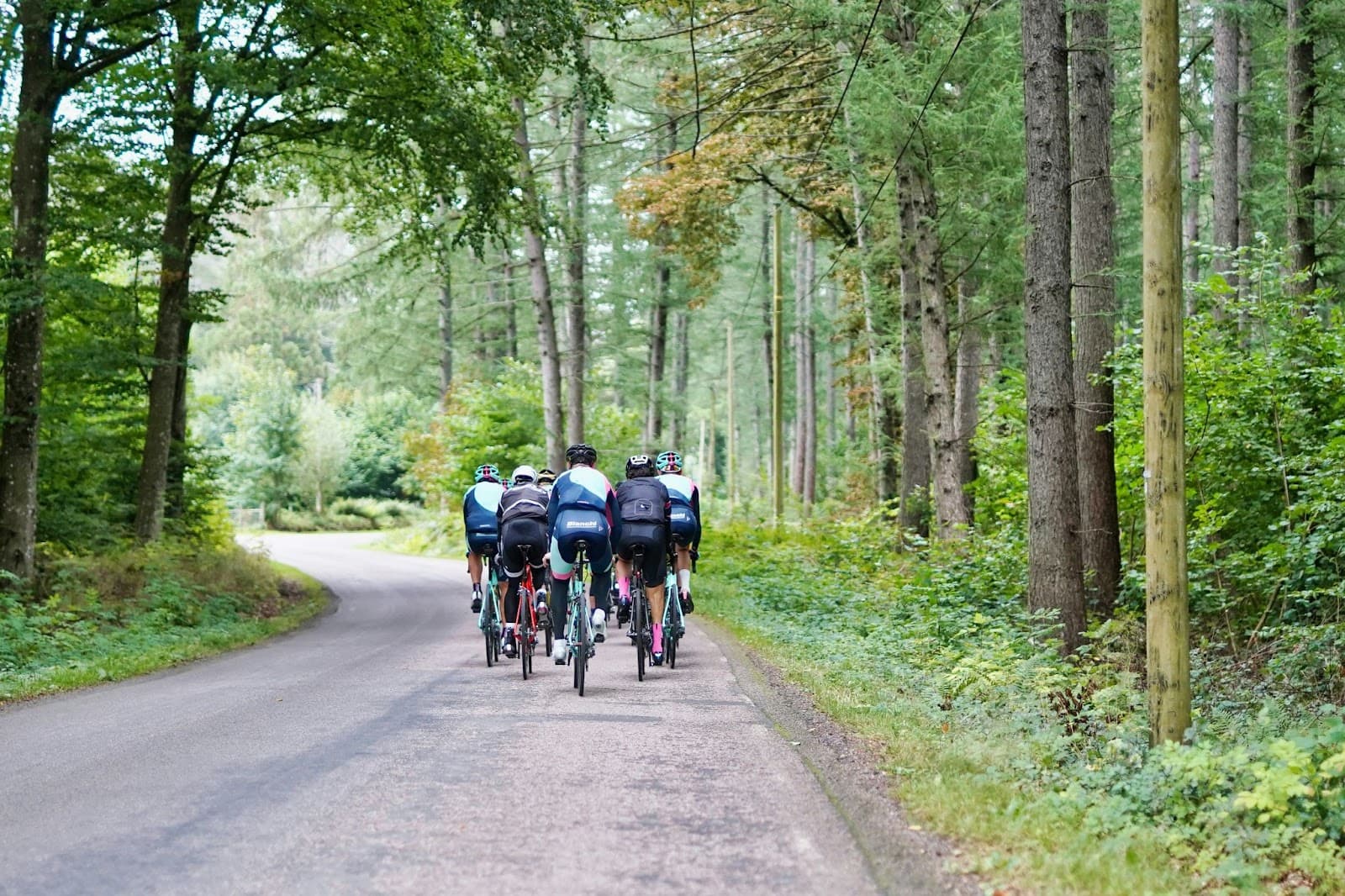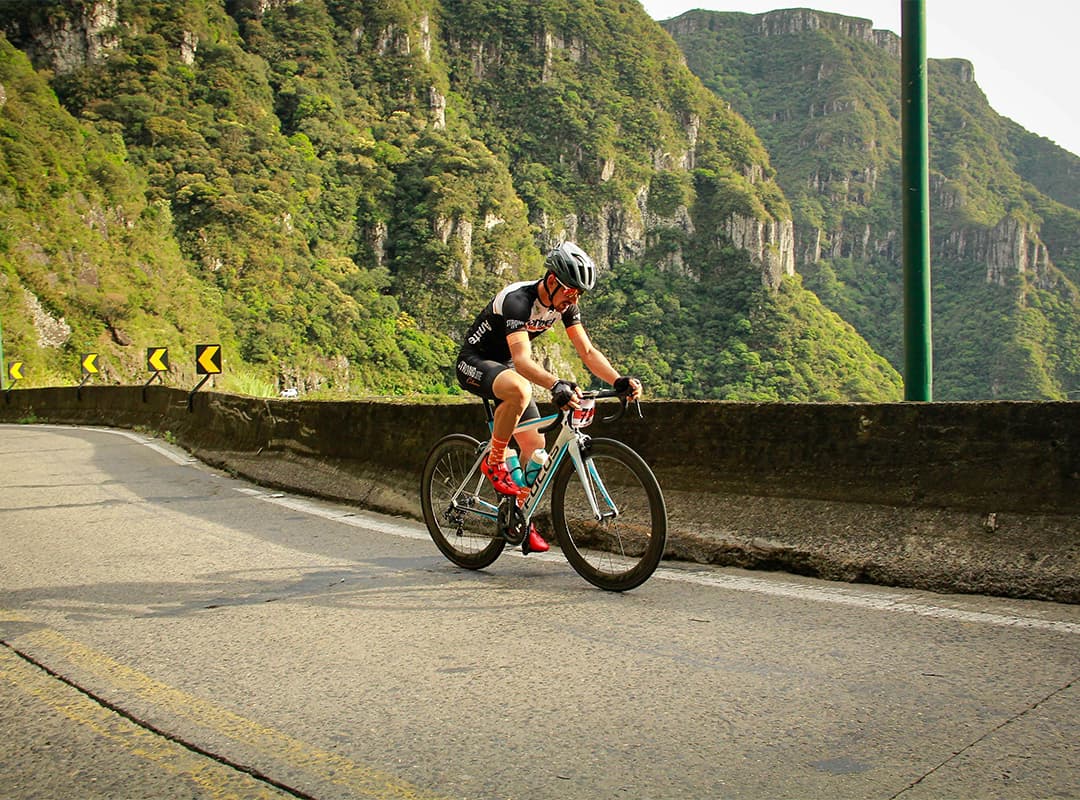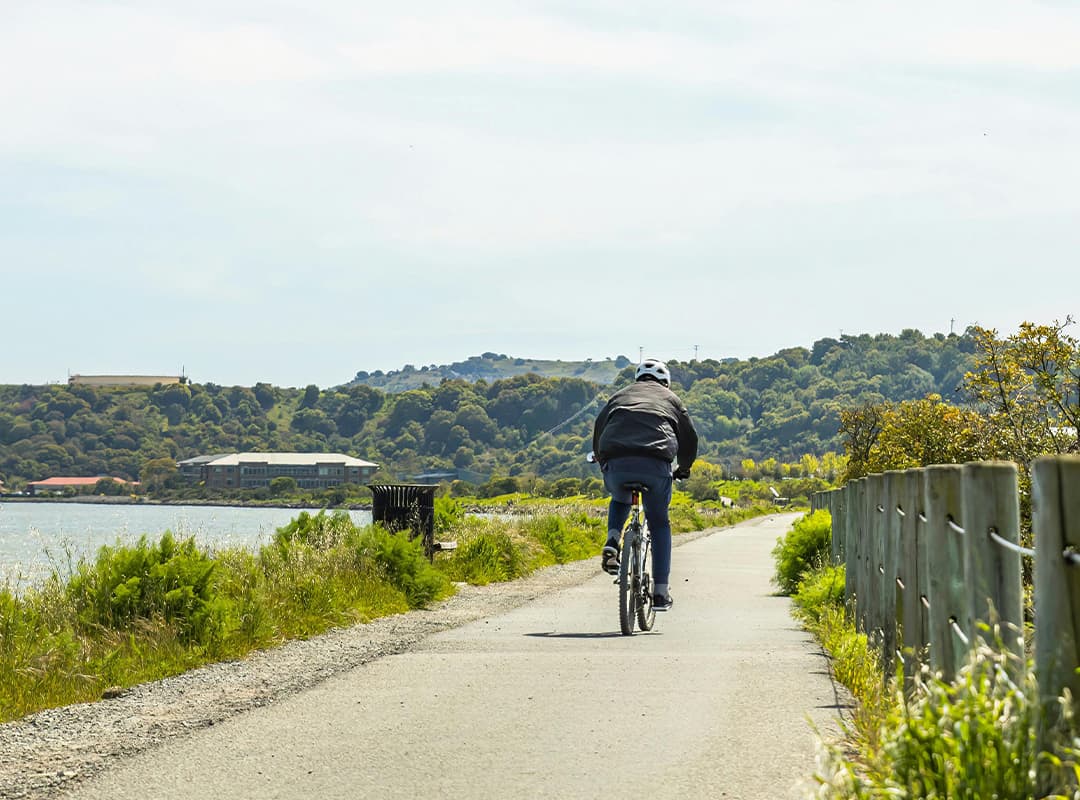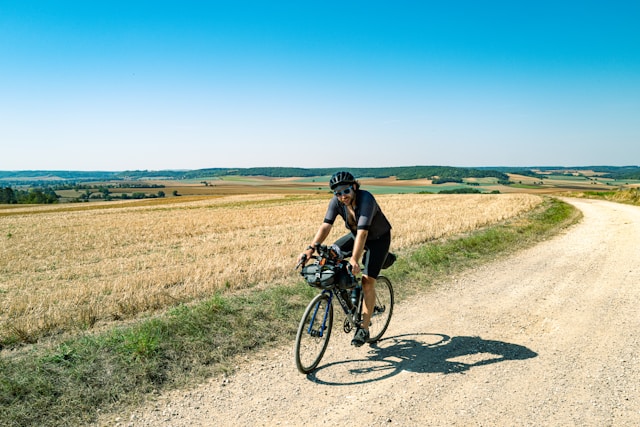
Cycling in Colorado isn’t just a hobby — it’s a way of life. The state’s rugged mountain passes, scenic highways, and thriving urban cycling communities have shaped more than just weekend rides. They’ve influenced fashion, food, city planning, social habits, and even how people see themselves.
What begins as a personal passion for riding often extends far beyond the trails. For many Coloradans (and visitors who fall in love with the lifestyle), cycling becomes a central part of daily identity — one that touches how they dress, where they live, how they socialize, and even how they decorate their homes.
From Function to Fashion
Step into a coffee shop in Boulder or Denver on a Saturday morning, and you’ll notice something immediately: cycling gear isn’t just for the road anymore. Jerseys, bib shorts, technical jackets, and sleek commuter outfits have made their way into everyday wardrobes.
Part of this is practical. Many cyclists ride to meet friends, grab breakfast, or commute to work, and there’s no need to change for every occasion. But there’s also a cultural element. High-quality cycling apparel has become a fashion statement — representing fitness, freedom, and a certain adventurous spirit.
Brands have caught on, blending performance fabrics with stylish cuts that transition smoothly from ride to street. Lifestyle bloggers frequently highlight this fusion, showcasing how cycling aesthetics influence broader fashion trends in active, outdoor-oriented communities.
Cafés, Breweries, and Community Hubs
Colorado’s cycling routes often connect through towns that have built entire micro-economies around the cycling community. Breweries with spacious patios, coffee roasters near trailheads, and restaurants with bike racks outside have become informal gathering points for riders.
These aren’t just places to refuel. They’re community hubs — where cyclists swap stories, plan future routes, or simply hang out after a long climb. The culture around cycling has shaped the social geography of many towns, bringing people together in ways that go far beyond racing or training.
Lifestyle bloggers have documented this phenomenon, often treating these cafés and breweries as destinations in themselves. A post might feature “The 5 Best Post-Ride Coffee Stops in Boulder” or “Cyclist-Friendly Breweries Near the Rockies.” These stories highlight how cycling culture integrates seamlessly into everyday leisure.
Designing Homes Around the Ride
For many cyclists, their bikes aren’t just tools — they’re prized possessions. It’s common to see Colorado homes with dedicated bike storage rooms, custom wall mounts, or garage workshops designed specifically for maintenance and gear organization.
Interior design is subtly shaped by cycling culture: mudrooms with easy-clean floors, wall hooks for quick access, racks that turn bicycles into decor. It’s a practical necessity, but also a reflection of how central cycling is to identity.
Lifestyle-focused sites often feature home tours of outdoor enthusiasts, and cyclists fit naturally into that narrative. Many of these platforms, including spaces like writeforuslifestyle.com, highlight how personal passions influence design choices, blending functionality with style.
Food, Fuel, and Ritual
Cyclists think about food differently. Nutrition isn’t just about taste — it’s about performance and recovery. This has led to the rise of local bakeries offering carb-loaded treats perfect for mid-ride stops, cafés that cater to quick but nutritious meals, and breweries that know cyclists will show up in packs after a long weekend loop.
Energy bars, homemade ride snacks, and post-ride rituals have woven themselves into daily routines. For many, the Saturday group ride followed by brunch isn’t a special event — it’s just part of life. These rituals shape local businesses and community rhythms alike.
Urban Mobility and Identity
Colorado’s urban centers, particularly Denver and Boulder, have embraced cycling infrastructure as part of their identity. Protected bike lanes, bike-share programs, and multi-use paths make it easy for people to integrate cycling into their commutes and errands.
For many residents, cycling isn’t just something to do on weekends — it’s how they navigate the world. It influences where they live, what kind of car (if any) they own, and how they structure their schedules. That shift from hobby to primary mode of transportation has ripple effects across culture, from fashion to city planning.
A Lifestyle That Travels
Perhaps the most interesting part of Colorado’s cycling culture is how it inspires people beyond the state’s borders. Visitors come for a tour or race and return home with new habits: weekend group rides, café stops, or even wardrobe changes inspired by their experience.
Through social media and lifestyle blogs, these influences spread quickly. A well-photographed mountain ride or post-tour café scene can spark someone across the country to pick up a bike or reshape their routines. What begins as a local cycling culture becomes a global lifestyle reference.
Final Thoughts
Cycling in Colorado isn’t confined to the roads and trails. It weaves through fashion, food, architecture, social spaces, and everyday identity. It shapes how communities grow and how individuals express themselves.
Lifestyle bloggers and content creators have played a huge role in bringing this culture to a wider audience, turning niche habits into mainstream inspiration. Platforms like writeforuslifestyle.com help bridge those worlds — inviting enthusiasts to share how their passions influence their lifestyles in ways that resonate far beyond the cycling community.
Cycling may start as an activity, but in Colorado, it becomes a lifestyle — and that lifestyle travels.